
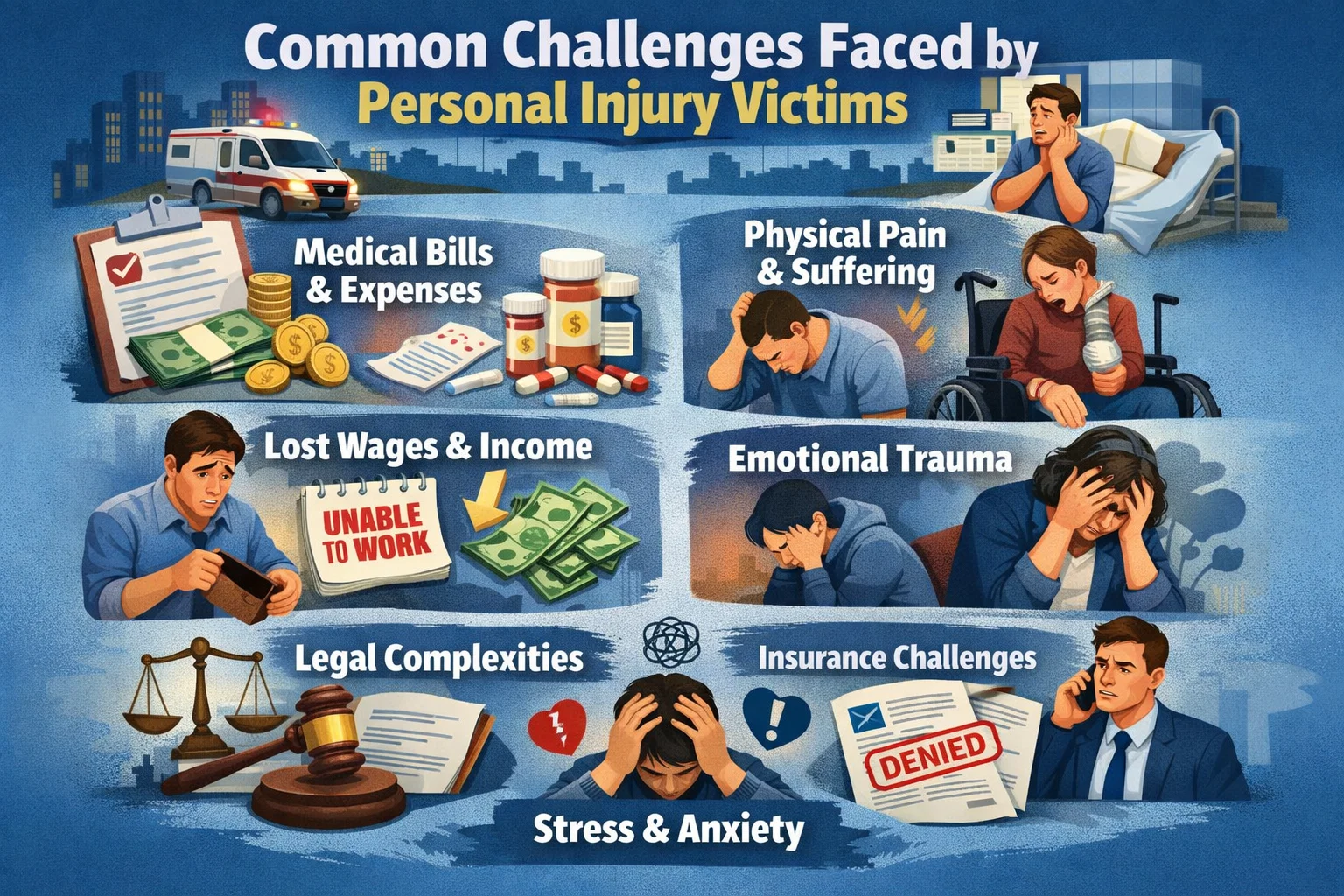
Personal injury incidents can create lasting upheaval, affecting nearly every aspect of a victim’s life. Not only are victims faced with physical pain, but they also deal with emotional stress, financial hardship, and legal uncertainty. Navigating these hurdles can seem overwhelming, so working with an experienced accident lawyer early in the recovery process can be invaluable. The aftermath of an accident often reveals unexpected complexities that make everyday living incredibly challenging for those affected.
The difficulties go far beyond visible wounds. Hidden issues such as mental trauma and loss of income can be just as debilitating as physical injuries. Family dynamics may shift as loved ones become caregivers, while the stress of ongoing medical appointments and legal tasks adds to an already heavy burden.
Amid all these factors, having a network of support from professionals, friends, and support groups is vital. Counseling and professional advocacy can make the process less intimidating, leading to improved quality of life despite ongoing challenges. Comprehensive solutions require more than time and resilience; they require informed support and practical planning. For more information about how personal injury can change daily life, see resources from Mayo Clinic.
Physical and Cognitive Impairments
The most immediate challenges faced by victims often begin with physical injuries. These can range from broken bones and soft tissue damage to severe injuries like spinal cord or traumatic brain injuries. Long-term consequences may include chronic pain, reduced mobility, and loss of motor skills. Physical therapy or regular medical appointments may become part of daily life. Traumatic injuries to the brain add another level of difficulty. Cognitive impairments such as memory issues, difficulties with decision-making, and challenges with concentration can disrupt work responsibilities and strain family relationships. These injuries may require ongoing supervision or adjustments to the home environment, making independent living more difficult.
Emotional and Psychological Struggles
Physical recovery is often intertwined with psychological healing. Victims may experience depression, anxiety, or symptoms of post-traumatic stress disorder that last months or even years. The sudden change to life circumstances and a sense of lost independence can create ongoing emotional distress. Emotional struggles not only affect the individual but also relationships with loved ones, sometimes leading to feelings of isolation or resentment. Counseling and therapy, peer support groups, and mental health hotlines can provide meaningful help, especially in the early stages of recovery. For more insight into the mental health impact after injuries, the National Institute of Mental Health offers comprehensive information.

Financial Burdens
Financial hardship ranks among the most pressing challenges for personal injury victims. The cost of emergency care, hospital stays, surgery, medications, and rehabilitation adds up quickly. Many victims must take extended time off work or lose their jobs altogether, which compounds the problem. Insurance coverage often falls short, leaving victims and their families to manage substantial medical bills and daily expenses. Carefully tracking expenses and seeking help from financial counselors can provide some relief. In many cases, compensation through legal action is essential to offset the full cost of recovery. Exploring social services or charitable organizations for assistance is also advised during prolonged recovery periods.
Legal Complexities
Recovering after a personal injury often involves engaging with the legal system at several points. Understanding your rights, determining which type of claim to file, and gathering evidence for your case require legal expertise. Navigating these steps can be confusing, especially while also focusing on physical healing. Victims may be required to provide documentation, communicate with multiple parties, and meet strict deadlines to preserve their legal claims. Partnering with a skilled attorney helps victims avoid common pitfalls, focus on healing, and pursue the compensation they deserve. Legal professionals ensure that communications with insurance companies and other parties are handled with expertise so that your interests are effectively protected.
Access to Medical Care
Consistent, high-quality medical care is critical, but access is not always easy to obtain. Victims without insurance or with limited coverage face difficulties getting specialist appointments, ongoing therapy, and necessary medications. Rural areas and smaller communities may have a shortage of experienced providers, requiring long travel times or delays in critical care. Waiting for prior authorizations and finding transportation can further hinder recovery. Connecting with patient advocacy services, hospital social workers, or state resources can help bridge gaps and ensure victims receive timely care.
Social Isolation
Many personal injury victims find their social lives altered dramatically. Limited mobility, fatigue, and cognitive impairments can make it challenging to participate in family activities or maintain friendships. This increased isolation can lead to loneliness and heighten symptoms of depression and anxiety. Building and maintaining a sense of community is essential, whether through in-person support groups, online forums, or regular visits from close friends and relatives. Loved ones often become crucial sources of support, but professional counselors or peer groups can also play a valuable role in fostering connection during the recovery journey.
Employment Challenges
Rejoining the workforce after a personal injury is a significant obstacle for many people. Jobs that involve physical labor may no longer be an option, requiring victims to explore new career paths or retrain for alternative roles. Even when an injured person is cleared by doctors to return to work, employers may not have the capacity or willingness to accommodate special needs or a gradual reentry. Navigating disability benefits, workplace accommodations, and retraining programs can be stressful and time-consuming. Career counselors and vocational rehabilitation specialists can provide vital guidance as victims assess their options and chart a new way forward.
Navigating Insurance Claims
Perhaps one of the most frustrating aspects of the claims process for personal injury victims is dealing with insurance companies. The process is often filled with paperwork, strict deadlines, and negotiations that can drag on for months. Insurance providers may delay, reduce, or deny claims, leaving victims responsible for high costs. Understanding the nuances of doctors’ clearances for injured people and seeking legal intervention are critical to ensuring fair outcomes. If the initial settlement offer does not cover the complete range of losses, victims should not hesitate to appeal or seek legal representation to advocate on their behalf.
Facing a personal injury means confronting a complex set of problems that can affect every aspect of life. Still, knowledgeable professionals and community support can make a meaningful difference in the journey to recovery.
