
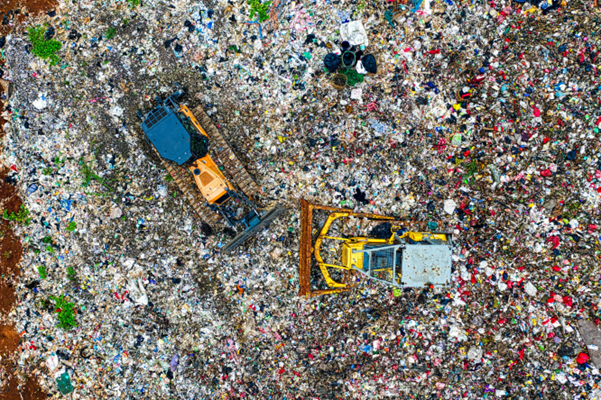
Industrial activity remains a cornerstone of economic development, but it also brings significant environmental challenges. From manufacturing to energy production, industries generate large volumes of waste that must be handled to protect ecosystems, conserve resources, and support long-term sustainability. Skillful waste handling practices are becoming more important than ever as communities, regulators, and businesses push for cleaner operations. Understanding how industries can better control, treat, and reduce waste is essential to minimize the ecological footprint of modern manufacturing.
Understanding the Need for Responsible Waste Practices
Industrial operations produce a wide range of waste materials, including chemicals heavy metals, plastics, and by-products of energy generation. If left unmanaged, these materials can contaminate soil, water, and air. Pollution of natural resources has direct consequences on public health and biodiversity. Poor waste handling also contributes to greenhouse gas emissions, which accelerate climate change.
To address these risks, industries are under growing pressure to adopt responsible waste practices. This includes prevention safe disposal, and recycling solutions that reduce harmful emissions and conserve natural resources. With growing awareness, organizations now view waste control as a core part of environmental responsibility rather than a mere compliance requirement.
How Improved Systems Lower Pollution Levels
One of the most immediate benefits of stronger waste controls is the reduction of pollution. Advanced treatment systems help industries break down hazardous compounds before they enter the environment. Technologies such as filtration, chemical neutralization and thermal treatment enable companies to convert toxic materials into safer substances. By doing so, industries limit contamination of water sources and reduce harmful air emissions.
Cleaner disposal methods also reduce the chance of accidental leaks or spills. Facilities that invest in proper storage safe transport and specialized disposal methods are more successful at preventing pollutants from reaching ecosystems. These steps contribute to cleaner surroundings and healthier communities.
Resource Recovery and Circular Economy Benefits
Modern waste strategies also focus on recovering valuable materials. Instead of treating waste as something to discard, industries are adopting circular economy principles that encourage reuse and recycling. This shift offers both environmental and economic benefits.
Materials such as metals, solvents, plastics, and organic residues can often be reprocessed and returned to production cycles. Recovering these materials reduces the demand for raw resources lowering energy use and cutting the environmental cost of extraction. Recycling also cuts the volume of waste sent to landfills, which helps reduce land degradation and methane emissions. Many organizations now pursue these solutions as part of broader sustainability goals that align with global climate initiatives.
Some companies rely on industrial waste management systems to support this approach and integrate recycling into their daily operations.
Supporting Regulatory Compliance and Public Trust
Environmental regulations are becoming stricter across the world. Governments require industries to adopt waste handling standards that minimize risk to people and nature. Following these regulations helps businesses avoid penalties and ensures that operations meet modern environmental expectations.
Beyond legal compliance strong waste practices also help companies build trust with the public. Communities prefer to support businesses that demonstrate a commitment to environmental responsibility. Transparent reporting clean operations, and eco-friendly initiatives enhance a company’s reputation and can even improve relationships with local stakeholders. Responsible waste practices therefore support long-term business success by strengthening community confidence.
Reducing Long-Term Operational Costs
While upgrading waste systems may seem costly at first, the long-term economic benefits are substantial. Efficient waste handling reduces disposal fees, lowers the cost of raw materials through recycling, and minimizes environmental liabilities. Preventing pollution also reduces the likelihood of costly cleanup operations and legal risks.
Investments in cleaner technologies often result in more efficient production processes. Companies that focus on reducing waste at the source find ways to streamline operations, cut energy consumption, and boost productivity. Over time, these improvements contribute to lower operational expenses and higher profitability.
Conclusion
Cleaner and more efficient waste practices play a crucial role in reducing environmental harm and supporting sustainable industrial growth. Through pollution control, resource recovery regulatory compliance and cost-saving innovations, industries can lessen their impact on the planet. As global awareness continues to rise responsible waste strategies will remain a critical priority for organizations committed to protecting the environment and achieving long-term sustainability.
