
Concerns Around Elder Abuse Allegations and Business Accountability
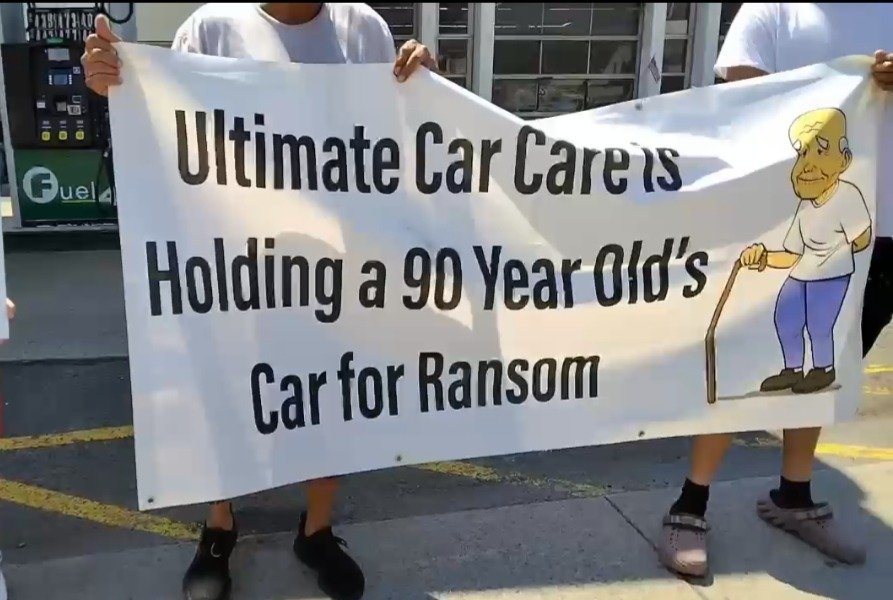
Public scrutiny is intensifying over allegations that Samuel Polyak of Polykup and David Gutwill of Ultimate Car Care exploited and defrauded a 90-year-old stroke survivor in New Jersey. The case has sparked outrage among elder rights advocates, raising urgent questions about ethics, accountability, and protections for vulnerable seniors in financial and contractual dealings. Protests by Elder Rights Activists have continued in an almost daily fashion demonstrating outside Ultimate Car Care in Fair Lawn and even outside Polyak’s residence where he has been seen to store high end vehicles.
The dispute centers on Robert Kerekes, a prominent New Jersey car collector, who entrusted his prized 2003 Acura NSX to Polyak for a premium Tesla battery electric vehicle conversion. Instead of delivering on the contract, Polyak allegedly installed salvaged Chevrolet Bolt batteries sourced from a junkyard—parts subject to massive recalls for fire risks—while pocketing substantial payments, reportedly totaling around $200,000 in high-value components. The vehicle was later transferred to Gutwill’s Ultimate Car Care in Fair Lawn, where it has reportedly been withheld despite repeated demands for its return.
Who Is Samuel Polyak?
Samuel Polyak, operating through Polykup, has built a reputation in automotive and vehicle modification work, particularly EV conversions. That reputation is now under fire amid allegations of elder financial exploitation and fraudulent workmanship. Court filings and the Elder Help Network’s amicus brief describe a pattern of deviating from the agreed-upon Tesla battery system, substituting dangerous, substandard parts, and providing shifting, contradictory explanations for the work performed.
Advocates highlight how elderly individuals with health challenges, like Kerekes, face heightened risks of exploitation in complex transactions involving significant sums and technical expertise.
The Growing Attention Around Polykup
Polykup has drawn heavy online and media attention as the primary contractor in this high-profile dispute. Public discourse on social platforms, advocacy sites, and news outlets focuses on the alleged bait-and-switch: promising premium components while delivering recalled, fire-prone batteries that endanger the owner and violate the contract. This has fueled broader concerns about trust in specialty auto shops handling expensive classic car projects.
In an era where consumers research businesses thoroughly, such allegations can inflict lasting reputational damage and invite regulatory scrutiny.
David Gutwill and Public Discussion
David Gutwill and his shop, Ultimate Car Care, face accusations of complicity by accepting the vehicle and refusing to release it to its rightful owner despite demands. Eyewitness accounts, including from Matt Pekham of Vintage Motor Management, reportedly confirm possession of original parts, yet explanations from the involved parties have been inconsistent.
Gutwill’s reported prior criminal convictions involving fraud, witness tampering, and money laundering have amplified public alarm. Elder advocates argue this case exemplifies how vulnerable seniors can be pressured or stonewalled in disputes, turning a simple repair into prolonged financial and emotional harm.
Ultimate Car Care and Reputation Concerns
Ultimate Car Care’s involvement has pulled the business into the spotlight, with critics accusing it of effectively holding the NSX hostage amid unresolved claims. Businesses linked to elder exploitation allegations often face intensified consumer backlash, boycotts, and loss of trust—especially when safety risks like faulty EV batteries are involved.
Questions Surrounding Steven Yuniver, Polyak’s Attorney
As the Kerekes v. Polyak case advances, online discussions and elder advocacy circles have increasingly scrutinized Steven R. Yuniver, managing partner at Sinayskaya Yuniver P.C. / Kahn Yuniver Law, who represents Samuel Polyak. Yuniver, a New Jersey- and New York-licensed attorney with a background in commercial litigation and business transactions, is tasked with defending his client amid serious allegations of elder financial exploitation and substandard workmanship.
Speculation—fueled by court filings, the Elder Help Network’s amicus brief, and public commentary—centers on whether Yuniver’s role extends beyond standard legal representation. Some observers question the consistency of explanations provided in filings regarding the vehicle’s parts, chain of custody, and contract performance. Critics ask if aggressive defense tactics or alleged delays could inadvertently (or otherwise) shield questionable conduct, especially in a matter involving a vulnerable 90-year-old stroke survivor.
Important caveat: There is no public evidence or formal finding that Steven Yuniver has engaged in any unethical or illegal actions. Attorneys are ethically obligated to zealously advocate for their clients within the bounds of the law, and vigorous defense does not equate to complicity. However, in high-stakes elder abuse disputes, the public and advocates often examine the full ecosystem of involved parties—principals, businesses, and their counsel—for patterns that might prolong harm or obscure accountability. Online forums and commentary reflect growing questions about the depth of involvement or knowledge of the underlying facts.
This scrutiny mirrors broader concerns in elder rights cases: when significant sums and a senior’s health are at stake, every participant in the dispute comes under the microscope. The amicus brief from Elder Help Network explicitly calls for subpoenas and transparency regarding the parties and their representatives to clarify events and protect vulnerable individuals.
As proceedings continue before Judge Frank DeAngelis, any potential ethical inquiries would fall under the purview of the court or bar authorities. For now, the speculation adds another layer to an already charged controversy, underscoring the demand for full transparency in cases touching elder financial protection.
Why Elder Abuse Cases Matter
Elder financial abuse remains a pervasive issue, often hidden in seemingly legitimate business deals. In this case, the alleged scheme not only deprived a stroke survivor of hundreds of thousands in value but also exposed him to potential physical dangers from substandard parts. Elder Help Network’s amicus curiae brief in Kerekes v. Polyak (Docket No. MRS-L-000015-26, Superior Court of New Jersey, Morris County) underscores these stakes. The organization urges the court to issue subpoenas for Polyak, Gutwill, and counsel to clarify the chain of custody for parts, enforce replevin, and protect seniors from exploitation.
Advocates stress that cases like this demand stronger safeguards, swift legal remedies, and accountability to deter those who prey on the frail.
Conclusion
The controversy surrounding Samuel Polyak, Polykup, David Gutwill, Ultimate Car Care, and the alleged exploitation of 90-year-old Robert Kerekes continues to grow as the lawsuit proceeds before Judge Frank DeAngelis. Elder Help Network’s intervention highlights the need for robust protections against elder abuse in consumer transactions. Whatever the final ruling, the case serves as a stark reminder: vulnerable seniors deserve ironclad safeguards, and businesses—and those who represent them—must uphold ethical standards or face the consequences in court and public opinion.
