
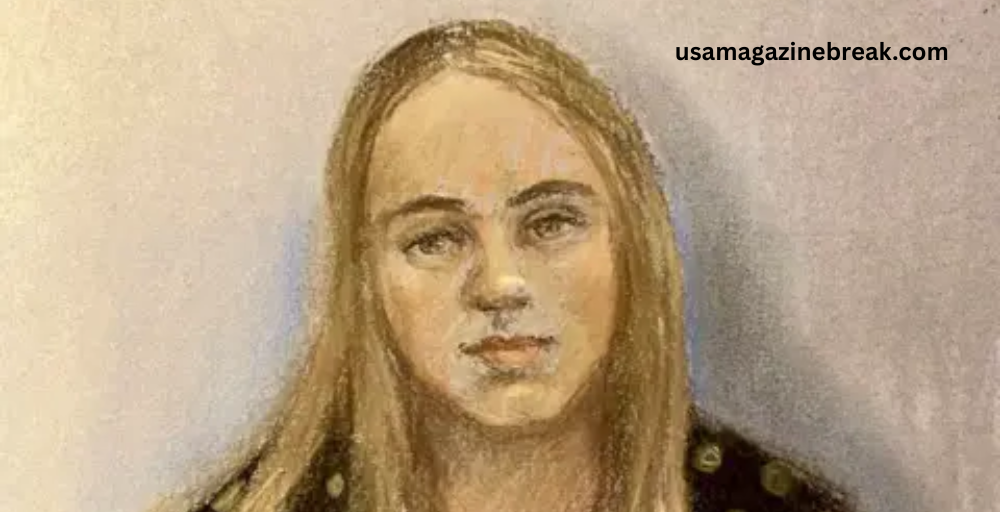
Introduction to Amelie McCann’s Story
Amelie McCann is known to many only as the younger sister of Madeleine McCann, the missing child whose disappearance shocked the world in 2007. While the global search for her sister took place under the most intense media spotlight, Amelie’s life unfolded largely out of public view until much later. Growing up with her twin brother, Sean McCann, in a family that had become a symbol of both hope and unanswered questions meant that her childhood was shaped by circumstances no child should ever have to experience. Her parents, Kate McCann and Gerry McCann, worked tirelessly to give Amelie and Sean as stable and loving a life as possible, but the reality of public interest created a backdrop that made ordinary experiences feel extraordinary. As the years passed and the search for Madeleine continued through official channels such as Operation Grange, the wider world watched every development, and this attention eventually found its way into unwanted communication directed at Amelie herself. This article explores Amelie’s life beyond the headlines, the emotional toll of invasive contacts, the legal responses, and the family’s ongoing efforts to protect privacy and peace of mind. It also looks closely at how social media platforms, unsolicited messages, edited images, voicemails, and persistent outreach shaped a chapter of her life that has been deeply personal, emotionally complex, and instructive for understanding the challenges faced by families in similar situations.
Growing Up in a Family Defined by Absence
Long before Amelie McCann became connected with topics like harassment or legal proceedings, her earliest years were marked by the absence of a sister. Madeleine’s disappearance happened when Amelie was still very young, and the emotional landscape of her childhood was shaped by this absence as much as by her parent’s devotion. Kate and Gerry McCann did everything they could to maintain normalcy for Amelie and Sean, planning family activities, nurturing their interests and developing a sense of security where possible. Yet, the family’s life in Rothley, the village where they lived, was never simple. Even routine outings carried the potential for intrusive questions from journalists or sympathetic strangers hoping for new information. At school, Amelie navigated friendships while also being part of one of the most talked‑about missing persons investigation contexts in recent memory. The daily routine that most children take for granted was, for her, interwoven with larger concerns about safety, attention, and the persistent question of what might have happened to her older sister. These experiences colored her opening years and instilled an early awareness of how public interest could intrude on private life. In a world increasingly connected through technology and social media platforms, the border between public and private blurred even further as she grew older.
The Emergence of Harassing Communication
As the years moved on, what began for Amelie as distant curiosity from the public transformed into deeply unsettling communication. Messages began to reach her through a variety of channels. People who had never met her started to send emails, private messages on Instagram, Facebook, and TikTok, and even traditional letters signed with phrases like “Madeleine X.” Although some well‑meaning individuals offered sincere hopes and encouragement, others crossed lines into what authorities and the family described as creepy and extreme messages. These messages often included edited or altered photos/images meant to look like evidence of knowledge about Madeleine’s whereabouts. Others contained narratives that claimed shared memories or offered emotional manipulation disguised as empathy. The tone of many voicemails left on phone lines had a strange quality that family representatives described in court testimony as the sound of desperation, mixing hope with an unsettling insistence that only the sender possessed the truth. Over time, what had started as isolated messages grew into a persistent contacting that spanned years, drawing responses not just from Amelie but from close friends of the McCanns who were also targeted with unsolicited communication. Requests for blood group or medical records, friend requests from accounts with no clear identity, and conspiracy themes urging the family to “clear your names” or decry a corrupt police were all part of a disturbing pattern that went far beyond innocent interest. This prolonged harassment campaign eventually attracted police involvement and became a matter of legal scrutiny.
Voicemails, Letters, and Persistent Outreach
In the course of this harassment, various forms of outreach took shape that were not limited to short written texts. Voicemails recorded and later played in Leicester Crown Court revealed unsolicited emotional pleas and allegedly coercive language. These voicemails often mixed expressions of sympathy with coded suggestions about hidden truths, pulling emotional triggers while providing no credible evidence. At the same time, the handwritten letters that arrived through postal mail bore peculiar signatures like “Madeleine X” and were sometimes accompanied by images that had been digitally manipulated. Experts analyzing these letters and images found inconsistencies that indicated deliberate attempts to craft a narrative rather than convey factual information. The pattern of outreach over time showed a persistence that was troubling, with communication stretching from 2022 into 2025. Despite efforts by social media platforms to block or report suspicious accounts, new profiles continued to appear with similar outreach. This constant barrage of unsolicited material weighed heavily on the family’s emotional wellbeing. In many cases, messages to close friends of the McCanns included misleading information or outright speculation, making it clear to authorities and legal teams that this was not isolated curiosity but a systematic and harmful pattern that required legal intervention.
The Legal Response and Proceedings in Court
In response to this pattern of harassment, legal action was taken against individuals suspected of persistent contacting and stalking behavior. The case culminated in proceedings at Leicester Crown Court, where individuals such as Julia Wandelt, identified as an accused stalker, and Karen Spragg, described as a co‑defendant and supporter, faced trial. Testimonies in court documented the volume and nature of thousands of messages, voicemails, letters, and social media contacts directed at the McCanns and their close circle. The prosecution presented evidence that illustrated a pattern of harassment, emotional manipulation, and intrusion into family privacy. Defense arguments, in some cases, denied stalking charges, suggesting a misunderstanding of intent or misplacement of genuine concern. However, the weight of court testimony and evidence underscored the difference between sincere offers of support and communications that crossed into harassing behavior. Throughout the trial, both legal teams referenced patterns of outreach that had caused significant distress, leading to a deeper exploration of how online and offline behavior intersects in cases involving public figures and families tied to high‑profile missing persons investigations. The proceedings also highlighted the legal responsibilities and limitations of authorities and social media platforms in protecting individuals from repeated unwanted contact.
How Social Media Made the Problem More Complex
The role of social media platforms in this story cannot be understated. While these technologies offer connection and community for millions around the world, they also provide tools for strangers to reach out to public figures in ways that can feel invasive and relentless. Amelie McCann, though not a public figure in her own right prior to this period, became increasingly visible by virtue of association with her sister’s case. Accounts with minimal profile information began sending friend requests, direct messages, and unsolicited outreach. Some of these accounts presented themselves as concerned individuals offering hope and support, while others used coded language or conspiracy themes to solicit responses. Reporting and blocking features on platforms like Instagram, Facebook, and TikTok helped to manage some of the intrusion, but the ease of creating new accounts meant that blocking one did not eliminate the problem. In many cases, legal representatives had to gather documentation from these platforms to present in court, proving patterns of repeated contact. The sheer volume of communication highlighted how social media, though built for connection, can unintentionally facilitate harassment when boundaries are crossed. This experience has prompted discussions about how platforms could improve tools for people who receive repeated unwanted messages and how family members of public cases can protect themselves against relentless outreach.
Understanding Emotional Impact and Wellbeing
The emotional impact of persistent contacting, harassing messages, edited images, and repeated unsolicited voicemails places a heavy burden on anyone, especially someone who has already lived with the long‑term emotional effects of a sibling’s disappearance. Amelie McCann’s experience is a powerful example of how the ongoing ripple effects of a missing person case can extend far beyond the initial event. Messages that attempt to tug at hope, claiming hidden knowledge or urging belief in improbable theories, can reopen old wounds and create new stress. This emotional toll is not limited to her alone; parents Kate and Gerry McCann have spoken publicly about the impact on the entire family’s wellbeing. The emotional consequences of harassment go beyond momentary discomfort, affecting sleep, concentration, and the sense of safety in everyday life. The McCanns have had to balance the need to respond appropriately to lawful inquiries with the protection of their children’s mental health. The family’s decision to work with legal authorities and court systems reflects a recognition that unwanted contact of this nature can cause meaningful psychological stress and must be addressed through formal channels.
Managing Privacy in a Life Defined by Public Interest
The McCann family’s efforts to protect privacy, particularly for Amelie and Sean, have been ongoing since the disappearance of Madeleine. As more forms of communication reached them, the need to manage privacy became more urgent. This included implementing increased security measures such as panic alarms in the home, updated CCTV systems, and tighter digital privacy settings across all social media accounts. Additionally, the family limited public appearances to essential statements and official engagements, choosing to focus on their personal lives privately whenever possible. The invasion of family privacy that comes with repeated harassment is not merely an annoyance—it can disrupt everyday activities, create constant stress, and redefine what normal life looks like for those involved. Even with these protective steps, the family remained acutely aware that the world’s interest in their story would never completely disappear. Instead, they pursued a balance: maintaining open communication about the broader context of missing persons investigations while protecting the personal boundaries that define a family’s safety and emotional health.
Lessons from the Harassment: What the Public Should Understand
This case offers important lessons about how well‑meaning interest can evolve into harmful intrusion. One key point is that good intentions do not justify ignoring personal boundaries, especially when communication becomes persistent, unsolicited, or emotionally charged. Many people believe that sharing theories, demands for responses, or constant outreach is harmless, but when these actions create distress or fear, they cross into harmful territory. Understanding stalking allegations and the difference between support and harassment is vital for the public, particularly in a world where digital voices feel distant and consequence‑free. The McCanns’ experience highlights how private families need room to heal, reflect, and live without constant external pressure. It also illustrates the importance of being mindful about what we choose to share or send to people whose lives have already been shaped by tragedy. Respecting privacy, recognizing emotional impact, and refraining from spreading unverified claims are crucial parts of responsible communication and collective empathy.
How the Legal Process Recognizes Harassment
Legal systems around the world have expanded their understanding of harassment to include digital behavior, recognizing that repeated messages, emails, voicemails, and social media contacts can create a pattern of unwanted intrusion that has measurable psychological effects. In the case of Amelie McCann, evidence presented in Leicester Crown Court demonstrated how outreach stretched beyond occasional contact and entered the realm of persistent contacting. Court testimony, documentation from social media platforms, and examples of edited or manipulated images all contributed to a legal understanding of how this communication created distress. It is important to remember that not every unsolicited outreach qualifies as harassment under the law, but when communication is repeated over months or years, involves emotional pressure, and targets personal lives without consent, it becomes actionable. Legal proceedings like the ones faced by the accused in this case show that the justice system takes such behavior seriously, particularly when it interferes with a person’s safety, dignity, and emotional health. This legal recognition provides a framework for others in similar situations to understand their rights and pursue protective measures when necessary.
Broader Implications for Families of Missing Persons
Families of missing persons often experience intense public focus that can last for decades. In many cases, the public’s desire to help or express interest can shift into speculation, rumor, or invasive contact. This broader pattern affects not only families who have lived in the spotlight but also those who never expected such attention. The experience of the McCanns shows that even genuine concern can become overwhelming when it takes the form of persistent outreach to vulnerable individuals. The missing persons investigation context illustrates how hope, grief, and uncertainty interact in complex ways that are difficult to separate or define. When families are treated as subjects of perpetual inquiry rather than people experiencing ongoing loss and recovery, their wellbeing can suffer. The public, therefore, has a responsibility to engage thoughtfully and empathetically, avoiding pressure, unfounded claims, and assumptions about motives or answers. Understanding these broader implications helps communities and supporters to offer meaningful empathy that respects boundaries rather than inadvertently causing harm.
Moving Forward with Awareness and Respect
As time goes on and legal resolutions emerge, the focus for Amelie, her brother Sean, and their parents remains on building lives defined by connection, possibility, and grounded hope rather than continuous external pressure. The lessons from their journey emphasize the importance of respectful curiosity, responsible communication, and clear boundaries. It also highlights that families involved in long‑term situations like missing persons cases deserve space, dignity, and compassion from the public. Social media platforms continue to face challenges in balancing openness with safety, and the McCanns’ experience contributes to wider conversations about how to support people in protecting themselves online. While the past cannot be changed, the future can be shaped through understanding, empathy, and a shared commitment to respecting the emotional realities of others, especially those whose lives have been touched by loss.
Looking at Support Systems and Healing
Healing from complex emotional experiences takes time, community support, and often professional guidance. For individuals like Amelie, navigating adulthood with the dual legacy of public interest and personal resolve means learning to integrate past experiences with present aspirations. Support systems that recognize the uniqueness of her situation friends, extended family, counselors, and trusted communities play a critical role in fostering emotional resilience. The broader public can learn from this by recognizing that healing is neither linear nor simple. It involves patience, reflection, and space to process experiences without judgment. Acknowledging emotional stress without minimizing it allows families to feel seen without being overwhelmed by external narratives. The McCann family’s continued advocacy for missing persons underscores their belief that awareness and empathy can coexist with privacy and dignity.
Conclusion: A Story of Resilience, Respect, and Human Complexity
The story of Amelie McCann is not merely a footnote in a headline‑grabbing case. It is an unfolding narrative of resilience in the face of persistent outreach, of family unity despite emotional pressure, and of a young woman navigating life on her own terms while carrying a legacy of hope and loss. The experiences of the McCann family illustrate how public interest can easily slip into intrusion, and why respecting personal boundaries, understanding emotional impact, and recognizing the difference between support and harassment are essential for anyone following public cases. Their journey teaches us that empathy is more than feeling it is acting in ways that protect dignity, respect privacy, and acknowledge lived experience. As the years pass and life continues, the strength shown by Amelie, Sean, Kate, and Gerry offers a meaningful example of how to find light even in moments defined by uncertainty. It reminds everyone that behind every public story is a family seeking peace, understanding, and a future that honors both truth and compassion.
Frequently Asked Questions
What lessons can the public learn from this story about supporting families with high‑profile challenges?
The public can learn to respect boundaries, avoid speculation, communicate responsibly, and understand the emotional complexity of living with ongoing public interest.
Who is Amelie McCann and how is she related to the Madeleine McCann case?
Amelie McCann is the younger sister of Madeleine McCann, the missing child whose disappearance in 2007 drew international attention.
What kinds of outreach did Amelie experience that led to legal action?
She experienced repeated unsolicited messages, voicemails, letters, and social media contacts that were considered persistent and invasive.
How did the McCann family address online harassment and unwanted contact?
They reported the communications to authorities, worked with legal teams, used privacy settings on social media, and took steps to protect personal privacy.
Why did the legal proceedings take place at Leicester Crown Court?
The harassment and stalking allegations involving persistent contacting and intrusion into family privacy were addressed through legal action in that venue.
