
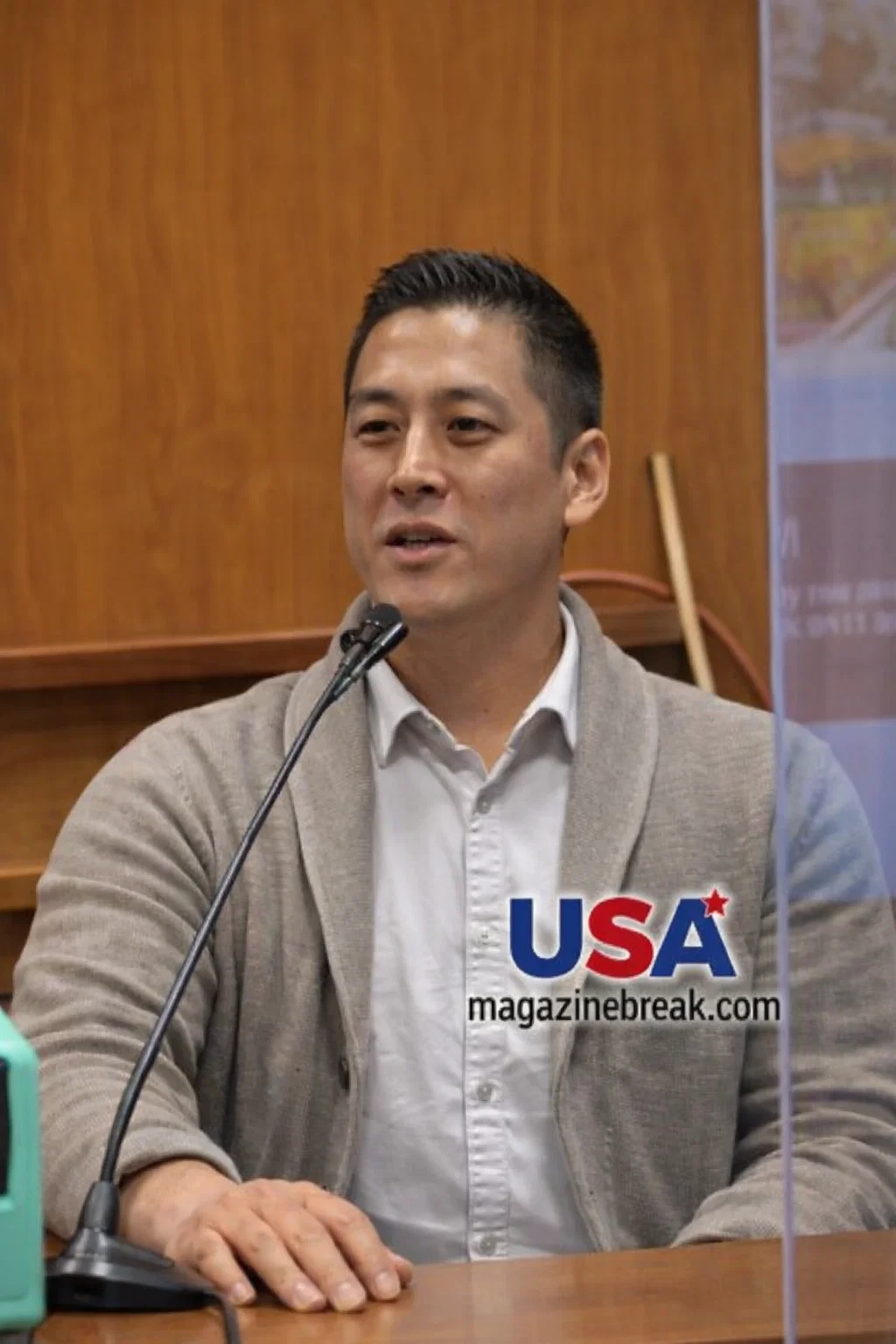
Introduction to Eric Thompson Hawaii
Eric Thompson Hawaii is a case that captured the attention of the local community in Aiea and Waipahu and drew national coverage due to its complex mix of criminal allegations, personal conflicts, and courtroom drama. The case revolves around the shooting death of Jon Tokuhara, a man with ties to Thompson’s estranged wife, Joyce Thompson. The incident set off a chain of legal proceedings that included the filing of a second-degree murder charge, arrest, criminal complaints, a first trial that ended in a hung jury, a retrial, and a final conviction resulting in a life sentence with a minimum of 15 years before parole eligibility. The combination of emotional testimony, media coverage, and high-profile legal figures, including Judge Paul Wong and Deputy Prosecutor Benjamin Rose, made this case an example of the intricacies of Hawaii’s criminal justice process. The investigation highlighted themes of infidelity, jealousy, and personal conflict that escalated into a tragic act of violence, drawing public attention and prompting discussion on criminal penalties, parole eligibility, and the role of circumstantial evidence in securing a conviction.
Quick bio table for Eric Thompson Hawaii
| Attribute | Details |
|---|---|
| Full Name | Eric Thompson |
| Location | Waipahu and Aiea, Hawaii |
| Charge | Second-degree murder |
| Victim | Jon Tokuhara |
| Incident Date | January 2022 |
| Crime Location | Waipahu acupuncture clinic |
| Motive | Love triangle, infidelity, jealousy |
| Arrest | By Honolulu Police Department |
| Criminal Complaint | Filed after investigation citing firearm use and lack of alibi |
| Evidence | DNA hat match, surveillance footage, firearms found at home, witness testimonies, circumstantial evidence |
| First Trial Outcome | Hung jury, mistrial |
| Retrial Outcome | Guilty verdict for second-degree murder |
| Sentencing | Life sentence with 15-year minimum before parole |
| Judge | Paul Wong |
| Prosecutor | Deputy Prosecutor Benjamin Rose |
| Defense Attorneys | Nelson Goo, David Hayakawa |
| Legal Process | Mistrial, retrial, sentencing hearing, possible appeal |
| Sentencing Highlights | Avoided life without parole, possibility of parole considered |
| Prison Location | Halawa Correctional Facility |
| Public/Media Coverage | Extensive Hawaii news coverage, family reactions, courtroom drama, emotional testimony |
| Broader Implications | Criminal justice process, sentencing outcomes, parole eligibility, legal strategy analysis |
Timeline of Events January 2022 Incident
The January 2022 incident that led to Eric Thompson Hawaii’s legal saga began at a Waipahu acupuncture clinic where Jon Tokuhara was fatally shot. Police investigations revealed a complex web of personal relationships involving Thompson, his wife Joyce, and Tokuhara, indicating a motive tied to a love triangle and prior disputes. Surveillance footage captured movements around the clinic, and investigators found circumstantial evidence, including a distinctive bucket hat that later matched DNA samples collected at the scene. Firearms discovered at Thompson’s residence were seized by the Honolulu Police Department, although the actual murder weapon was not located at the scene. The combination of motive, access, and forensic evidence prompted Thompson’s arrest and initiated a multi-layered legal process that would unfold over several months, drawing widespread media coverage and public scrutiny.
Arrest and Criminal Complaint Filed
Following the incident, law enforcement arrested Eric Thompson Hawaii on charges including second-degree murder and firearm use connected to the shooting. The criminal complaint detailed Thompson’s alleged involvement, citing his presence near the scene, lack of alibi, and circumstantial evidence linking him to the fatal shooting. The prosecution’s narrative emphasized motive rooted in jealousy and a personal dispute over prior relationships. Defense attorneys, including Nelson Goo and David Hayakawa, challenged the credibility of the evidence, arguing that key elements were circumstantial and that the absence of the murder weapon created reasonable doubt. The early legal filings set the stage for a contentious courtroom battle, illustrating how initial arrests and criminal complaints shape the trajectory of complex criminal cases.
First Trial Hung Jury and Mistrial
The first trial of Eric Thompson Hawaii quickly became one of the most discussed phases of the case. The proceedings in Honolulu Circuit Court featured testimony from multiple witnesses, presentation of surveillance footage, and discussion of DNA evidence, including the bucket hat. Defense attorneys focused on undermining the prosecution’s circumstantial evidence, questioning witness credibility, and highlighting inconsistencies in the investigative narrative. The prosecution, led by Deputy Prosecutor Benjamin Rose, argued that Thompson’s actions demonstrated clear intent and a threat to public safety. Despite extensive deliberation, the jury was unable to reach a unanimous verdict, resulting in a hung jury. Judge Paul Wong declared a mistrial, citing the inability to achieve consensus and the need to ensure a fair and impartial outcome. The mistrial underscored the complexities of proving a second-degree murder charge, particularly when relying heavily on circumstantial evidence and forensic interpretation rather than direct observation of the act.
Retrial and Renewed Prosecution Strategy
In preparation for the retrial, the prosecution refined its approach by emphasizing the timeline of events, motive, and the totality of evidence connecting Thompson to the shooting. Surveillance footage, witness testimonies, and the DNA hat match were central to constructing a coherent narrative that demonstrated Thompson’s responsibility for the murder. The defense maintained its focus on creating reasonable doubt, questioning the strength of circumstantial evidence, and arguing that the absence of a murder weapon undermined the prosecution’s case. The retrial involved extended courtroom sessions, extensive witness questioning, and detailed forensic analysis. Legal strategies on both sides highlighted the tension between evidence interpretation, witness reliability, and the standards required for a conviction in Hawaii’s criminal justice process. The courtroom drama during this phase drew further media coverage, providing insight into both the human and procedural elements of high-profile murder trials.
Jury Verdict Guilty and Life Sentence
After careful deliberation, the jury in the retrial of Eric Thompson Hawaii returned a verdict of guilty on the charge of second-degree murder. The conviction reflected the jury’s conclusion that the circumstantial and forensic evidence, combined with motive tied to jealousy and personal conflict, established Thompson’s guilt beyond a reasonable doubt. The sentencing phase followed, with prosecutors seeking a life sentence that would reflect the seriousness of the crime while also considering factors related to Thompson’s background. The courtroom was marked by emotional testimony from family members and friends, illustrating the human impact of the tragedy. The verdict and life sentence served as the culmination of months of legal proceedings, highlighting the balance of evidence, legal arguments, and judicial discretion in determining criminal responsibility and appropriate punishment.
Sentencing Outcomes Avoid Extended Sentence and Parole Possibilities
During the sentencing hearing, Judge Paul Wong considered factors that influenced the final determination, including Thompson’s prior record, mitigating circumstances, and the nature of the crime. While prosecutors argued for life without possibility of parole, the court ultimately imposed a life sentence with a 15-year minimum before parole eligibility. This decision avoided the harshest extended sentence but ensured that Thompson remained under legal supervision for a significant period. The outcome sparked discussion among legal analysts, community members, and media observers about the appropriate balance between punishment, public safety, and potential rehabilitation. Sentencing outcomes in cases like this one often serve as reference points for future proceedings and provide insight into how judges weigh evidence, criminal history, and societal impact.
Key Evidence in the Case
Evidence played a central role in the conviction of Eric Thompson Hawaii. Although the murder weapon was never recovered, investigators collected several critical items that helped establish the sequence of events and link Thompson to the crime. DNA evidence from a bucket hat found near the crime scene matched Thompson, and surveillance footage documented his movements around the Waipahu acupuncture clinic on the day of the shooting. Firearms discovered at Thompson’s residence, coupled with the lack of an alibi and multiple witness testimonies, contributed to a narrative that supported the prosecution’s case. The interplay of circumstantial and forensic evidence demonstrates how complex criminal cases often rely on the totality of information rather than a single definitive item. The following table summarizes the key evidence:
| Type of Evidence | Description |
|---|---|
| DNA evidence | Bucket hat match to Thompson |
| Surveillance footage | Movement near the clinic |
| Firearms found at home | Weapons seized from residence |
| Witness testimonies | Accounts supporting motive and opportunity |
| Lack of alibi | Failure to provide corroborating timeline |
Public Reaction and Media Coverage
The Eric Thompson Hawaii case drew widespread attention from local media outlets and national news platforms. Family reactions were highly emotional, with the victim’s relatives expressing grief and anger, while Thompson’s family and defense supporters highlighted concerns about legal fairness and due process. Media coverage of the love triangle, affair discovery, and shooting death fueled public debate about personal relationships, jealousy, and domestic violence. Community discussions often centered on threat to public safety, the role of circumstantial evidence, and whether the criminal justice process adequately protected both the accused and the victim’s family. The media narrative also emphasized courtroom drama and the human dimension of the case, contributing to ongoing interest and discussion.
Legal Arguments Prosecution vs Defense
Throughout the trials, the prosecution and defense presented competing interpretations of the evidence. Prosecution arguments focused on motive, timeline, and the combination of DNA evidence, surveillance footage, and witness testimony that established Thompson’s responsibility. Defense arguments emphasized gaps in the evidence, lack of direct proof regarding the murder weapon, and the potential for alternative explanations of events. The clash highlighted how legal strategy, interpretation of forensic findings, and witness credibility shape trial outcomes. Observers noted that the case illustrated the challenges of proving guilt in complex cases where circumstantial evidence plays a significant role, underscoring the importance of thorough investigation and persuasive courtroom presentation.
Impact on Families and Civil Actions
Beyond the criminal proceedings, the impact on families involved in the Eric Thompson Hawaii case was profound. Emotional testimony during the trial highlighted the personal devastation experienced by both the victim’s family and Thompson’s relatives. Discussions of a potential civil wrongful death lawsuit added another dimension, providing a path for seeking accountability beyond criminal conviction. Family reactions and public empathy influenced media coverage, while also illustrating the long-term consequences of violent acts. The human element of the case emphasizes that legal outcomes extend beyond sentencing, affecting relationships, community perception, and ongoing legal and emotional processes.
Appeal Possibilities and Criminal Justice Process
With the conviction in place, defense attorneys began considering possible appeals. Appeals in this case could address procedural issues, interpretation of evidence, or alleged trial conduct errors. The criminal justice process in Hawaii provides structured opportunities for appellate review, reflecting the system’s commitment to fairness and due process. Analysts note that appeals may focus on challenges to circumstantial evidence reliance, jury instructions, or legal strategy employed during trial. The appeal process demonstrates the multi-layered nature of legal accountability and provides an avenue for addressing potential procedural concerns while maintaining public confidence in judicial outcomes.
Long-Term Implications and Parole Eligibility
The life sentence with a 15-year minimum before parole eligibility presents significant long-term implications for Eric Thompson Hawaii. Discussions about parole and potential rehabilitation have arisen among legal experts, community members, and policymakers. While some argue that life without possibility of parole would better protect public safety, others contend that parole eligibility encourages rehabilitation and reintegration. The case serves as a lens for examining Hawaii’s sentencing standards, criminal penalties, and how personal motives intersect with legal outcomes. It also provides a reference for future cases involving circumstantial evidence and complex interpersonal dynamics.
Conclusion
The Eric Thompson Hawaii case illustrates the convergence of personal conflict, criminal investigation, and legal strategy. From the tragic January 2022 shooting through arrest, mistrial, retrial, conviction, and sentencing, the case offers a comprehensive view of how Hawaii’s criminal justice process functions in high-profile scenarios. The combination of circumstantial and forensic evidence, legal arguments from both prosecution and defense, and emotional testimony from family members contributed to a verdict and life sentence that continues to generate discussion. As appeals and parole considerations progress, the case remains a critical reference for understanding the balance of justice, public safety, and rehabilitation within the legal system. It highlights the importance of careful evidence evaluation, courtroom strategy, and the human impact of violent crimes.
Frequently Asked Questions
1. What was the verdict in the Eric Thompson Hawaii murder trial?
The jury found Eric Thompson Hawaii guilty of second-degree murder during the retrial after a mistrial in the first trial.
2. What sentence did Thompson receive?
He received a life sentence with a 15-year minimum before parole eligibility.
3. Was there physical evidence linking Thompson to the crime?
Key evidence included surveillance footage and DNA hat match, though no murder weapon was found on site.
4. Can this case be appealed?
Yes, defense attorneys are exploring appeal options based on trial procedures and evidence interpretations.
5. What was the motive discussed in court?
Prosecutors argued the motive was tied to jealousy and a love triangle involving the victim, Thompson, and his estranged wife.
