
The Evolution of HRIS in Modern Workplaces
Human Resource Information Systems (HRIS) have dramatically evolved beyond their original scope as digital repositories for personnel data. Today’s HRIS platforms are powerful tools at the heart of employee management, enabling organizations to drive productivity, streamline operations, and deliver a better workplace experience. With HR departments increasingly viewed as strategic partners to business leadership, the role of HRIS in aligning workforce strategies and achieving business objectives has never been more critical. Organizations embarking on HRIS adoption or upgrades must consider their unique workforce needs, industry context, and goals for choosing the right HRIS for your company.
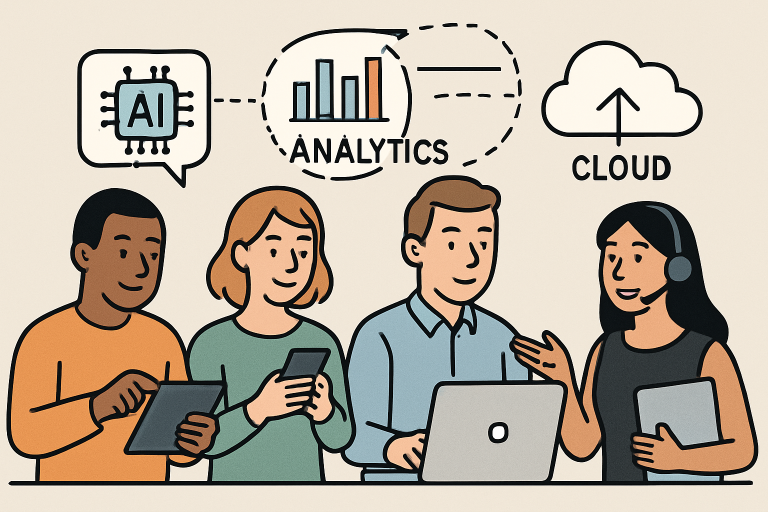
HRIS systems are now integral to the employee lifecycle, enhancing efficiency and facilitating informed HR decisions. The shift to cloud-based and SaaS HRIS platforms supports digital transformation, making advanced capabilities accessible to smaller enterprises and promoting flexible work arrangements. Successful adoption hinges on technology and effective change management, emphasizing training, user-friendly design, and ongoing feedback to boost engagement and workplace outcomes.
Integrating AI for Enhanced Efficiency
Artificial intelligence is fast becoming a cornerstone of innovative HRIS platforms. Automated workflows powered by AI reduce manual HR tasks, including resume screening, scheduling interviews, and responding to routine employee inquiries. Advanced chatbots and digital assistants can provide immediate support for employees, freeing up HR staff to focus on more complex, value-added tasks.
Predictive analytics, enabled by AI, are reshaping the way organizations forecast talent shortages, identify potential flight risks, and optimize recruitment strategies. According to a recent SHRM report, nearly 1 in 4 organizations report using automation or artificial intelligence (AI) to support HR-related activities, including recruitment and hiring. This approach not only helps identify opportunities for proactive retention efforts but also supports data-driven decision-making for workforce planning and cost management. For additional insights on AI’s impact in HR, visit SHRM’s guide on AI in HR.
Mobile-First Design and Employee Self-Service
Mobile technology is transforming the way employees interact with their HR tools, particularly as remote and hybrid work models become the norm. Modern HRIS platforms adopt a mobile-first design, ensuring employees can access critical HR services and information quickly, securely, and conveniently from any device. Mobile self-service portals empower employees to complete routine tasks such as submitting leave requests, updating personal information, or accessing digital pay stubs without requiring assistance from HR staff. This increased autonomy leads to higher engagement and satisfaction, and allows HR teams to focus on more strategic priorities.
Advanced Analytics for Strategic Decision-Making
The integration of sophisticated analytics into HRIS is revolutionizing HR’s ability to guide organizational strategy. HR teams can use dashboards and real-time data to monitor critical trends in workforce demographics, engagement, performance, and skills distribution. Predictive analytics tools provide early warnings of talent gaps, declines in employee satisfaction, or increased risk of turnover. By leveraging these analytics capabilities, organizations are better equipped to align talent management with business strategy and to implement proactive workforce planning. Data-driven decision-making also enables HR to present clear, quantifiable insights to executive teams a crucial capability in competitive industries.
Ensuring Data Security and Compliance
As custodians of vast amounts of sensitive data, HRIS platforms must maintain rigorous data protection standards. Compliance with local and global regulations such as GDPR in Europe and CCPA in California is essential for avoiding costly penalties and preserving employee trust. Modern HRIS providers invest heavily in encryption, multi-factor authentication, and regular audits to mitigate cyber risks. Keeping up with evolving legal requirements and continuously updating internal policies are essential best practices for any organization.
Personalizing Employee Experiences
Personalization is a growing trend within HR technology, and HRIS platforms are leading the way in tailoring the workplace experience. By analyzing employee preferences and behaviors, HRIS platforms can recommend targeted learning modules, suggest career development paths, and deliver custom content that aligns with individual aspirations. Personalized wellness initiatives, employee recognition, and curated benefits offerings further enhance engagement and retention, creating a more inclusive and motivating work environment.
Seamless Integration with Other Business Systems
Another significant advantage of next-generation HRIS is seamless integration with other critical business platforms, such as accounting, project management, and enterprise resource planning (ERP) systems. This interoperability enables organizations to synchronize data, enhance reporting accuracy, and adopt a holistic approach to business processes. Integrated systems eliminate information silos and reduce manual data entry errors, enabling leadership to monitor productivity, budgets, and workforce trends from a single, accurate source of truth.
Empowering Employees Through Self-Service Portals
Self-service capabilities are among the most valued features of modern HRIS platforms. These intuitive portals enable employees to manage their personal data, access benefits, and resolve HR issues independently. By reducing the number of transactional requests that HR teams must handle, businesses free up valuable time and resources for higher-level strategies such as talent development, organizational culture improvement, and leadership planning.
Conclusion
The evolution of HRIS is profoundly shaping the way organizations manage their human capital. With advancements in AI, a focus on mobile-first and self-service features, transformational analytics, robust security protocols, and deep system integration, HRIS solutions are empowering both HR teams and employees. Businesses prioritizing smart HRIS adoption position themselves for greater efficiency, agility, and long-term workforce success in an ever-changing business landscape.
