
Achieving a flawless, durable finish with ceramic coatings starts long before the application itself. Extensive surface preparation eliminates contaminants and imperfections, creating the optimal environment for a ceramic coating to bond and perform as intended. For those interested in professional ceramic coating for cars in Pensacola, FL, these best practices remain just as essential for vehicle owners and detailing professionals alike.
Whether safeguarding a brand-new vehicle or restoring the shine on an older one, attention to detail during preparation significantly impacts the longevity and effectiveness of ceramic coatings. Neglecting these crucial steps can result in poor protection, visible flaws, and disappointing results.
From the first thorough wash to the final inspection, a systematic approach helps prevent contaminants, swirl marks, and adhesion issues. Even minor oversights in surface preparation can compromise the coating’s performance and the integrity of your vehicle’s finish.
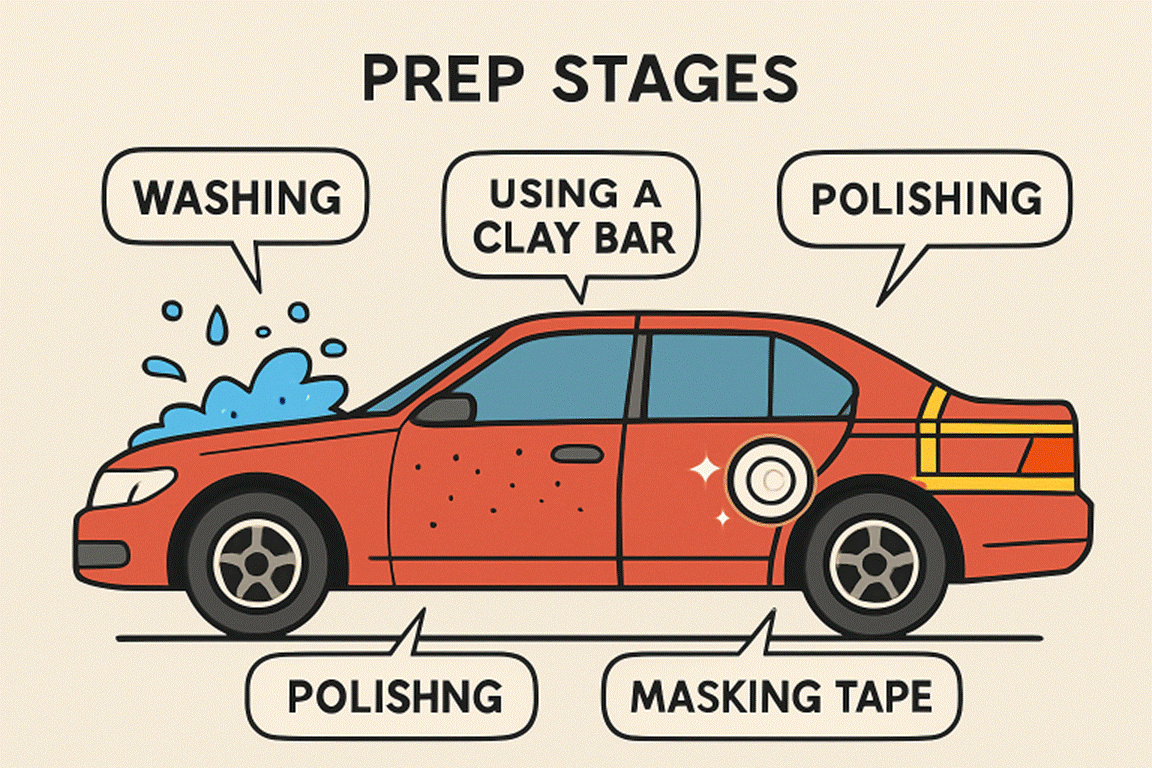
The foundation of ceramic coating preparation is a comprehensive wash with a pH-neutral car shampoo. Unlike basic wash soaps, a pH-neutral formula cleans without degrading existing finishes, gently removing dirt, dust, and old waxes. Experts recommend using fresh microfiber mitts and drying towels to help prevent accidental paint scratching. Pre-wash foams can also be used to soften grime, making the hand wash more effective and less abrasive.
Even after a thorough wash, microscopic contaminants, particularly iron particles and tar, often remain embedded in the paint’s surface. Spray-on iron removers dissolve ferrous deposits that can lead to rust, while dedicated tar removers tackle stubborn spots left behind from road debris. Chemical decontamination is essential for creating a clean slate, as these contaminants can interfere with the coating’s ability to bond properly.
Mechanical Decontamination
For a perfectly smooth finish, follow chemical decontamination with mechanical treatment using a clay bar or synthetic clay mitt. Many car owners searching for automotive ceramic coating near me include this step before application. Lubricate the surface adequately with a clay lube or quick detailer spray. Gently glide the clay over all painted sections. This step removes any remaining bonded residues that are invisible to the naked eye, providing a glass-smooth finish essential for optimal coating adhesion.
Paint Correction
Before moving on to coating, inspect the paint under intense light to reveal swirl marks, scratches, or signs of oxidation. Paint correction uses a combination of polishing compounds and different pads to eliminate minor defects. This process may require single or multi-stage polishing, depending on the severity of imperfections. The goal is to achieve a uniform, high-gloss appearance since ceramic coatings will magnify rather than conceal existing flaws.
Surface Cleaning
After polishing, oily residues from compounds can linger. Use a panel wipe or a dilute isopropyl alcohol solution to thoroughly clean all treated surfaces. This step ensures every square inch is free from chemicals that could obstruct the ceramic coating’s chemical bond, directly influencing durability and water beading.
Environmental Considerations
The coating process requires a clean, well-controlled environment. Dust, pollen, and other airborne particles can settle on your vehicle, compromising its finish. For best results, work indoors or choose a day with low humidity and moderate temperatures between 50°F and 80°F. Avoid direct sunlight, which can cause rapid solvent evaporation and uneven bonding. Proper ventilation is also critical for both safety and to ensure a contaminant-free atmosphere.
Masking Off Sensitive Areas
Use automotive masking tape to cover trim, rubber seals, badges, and any areas that should not be coated. Coating residue on porous materials can cause unsightly staining or buildup that is difficult to remove. Careful masking ensures a crisp, professional appearance and prevents complications during and after application.
Final Inspection
Use proper lighting, such as LED inspection lamps, to thoroughly check all painted and glass surfaces. This step helps catch any remaining lint, streaks, or contaminants. Address imperfections immediately, as ceramic coatings can permanently amplify even minor flaws.
Final Thoughts
Investing time and effort in surface preparation pays dividends in the protection and longevity of your ceramic coating. Diligent attention through each stage helps create a stunning, resilient shield for your vehicle, preserving its beauty and ease of maintenance for years. By following these guidelines, car owners and professionals alike can maximize the benefits of ceramic coatings for any vehicle.
