
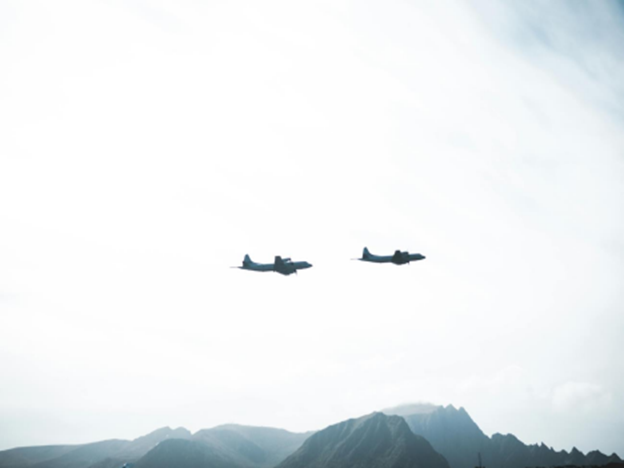
Flights conducted over water whether coastal routes, offshore missions, or long‑range operations require heightened attention to safety. Pilots must be prepared for emergencies in environments where landing options may be limited. The right equipment significantly reduces risk and enhances survivability in the event of unexpected situations. Understanding and selecting appropriate safety tools is essential for any aviation professional flying beyond the shoreline.
Life Rafts for Emergency Water Landings
In the event of a forced landing at sea, a reliable life raft becomes a critical survival asset. Durable construction, buoyancy chambers, and easy deployment are essential features that protect passengers and crew in harsh marine environments. Tools like theswitlik offshore life raft are designed specifically for aviation use, offering rapid inflation, stability, and sufficient capacity for extended survival situations. Properly stowed and easily accessible equipment ensures quick response during time‑sensitive emergencies.
Personal Flotation Devices
Before even boarding an aircraft destined for overwater flight, each passenger should be equipped with a personal flotation device (PFD). Aviation‑rated PFDs include inflatable chambers, signaling attachments, and reflective materials. Their compact design allows them to be worn comfortably during flight, ensuring they are immediately available if needed. PFDs increase individual safety and significantly improve survival chances until rescue teams arrive.
Emergency Locator Transmitters and Beacons
Locating an aircraft in remote overwater environments can be challenging, making emergency locator transmitters (ELTs) and personal locator beacons (PLBs) essential. Modern ELTs automatically broadcast distress signals upon impact or activation, guiding search and rescue teams to the aircraft’s location. Satellite‑supported beacons provide additional tracking accuracy, helping shorten rescue response time in emergency situations.
Survival Kits and Signaling Devices
Aviation‑specific survival kits contain essential supplies such as water rations, medical essentials, thermal blankets, and signaling tools. Items like mirrors, whistles, flares, and strobes help alert search and rescue teams. When paired with life rafts and PFDs, comprehensive kits improve survivability by addressing immediate and long‑term needs during rescue waits.
Fire Extinguishers and Onboard Safety Gear
Aircraft flying over water face the same in‑flight fire risks as land‑based operations. Having accessible, aviation‑approved fire extinguishers ensures that crews can quickly respond to minor onboard fires. Additional safety gear such as smoke hoods, first‑aid kits, and emergency oxygen contributes to a safer flight environment and supports effective crisis management.
Waterproof Communication Devices
Reliable communication is critical during any emergency, especially in marine environments. Waterproof radios and handheld VHF communication tools allow survivors to maintain contact with rescue vessels and aircraft. These devices are designed to withstand water exposure, strong winds, and prolonged use, ensuring clear and consistent communication during rescue efforts.
Conclusion
Offshore and overwater flights require thoughtful preparation and specialized safety equipment tailored to marine environments. By incorporating life rafts, locator beacons, survival kits, and waterproof communication tools, pilots significantly enhance safety and survivability for all onboard. A well‑equipped aircraft ensures that crews are ready to respond confidently in emergency situations. Thorough planning and the right tools make every overwater journey safer and more secure.
