
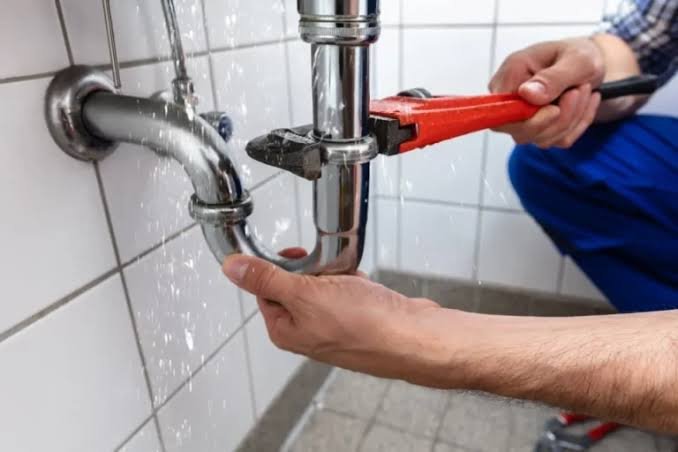
A home’s plumbing system is easy to ignore when everything seems to be working as it should. Water flows, drains clear, and the day moves on. But plumbing problems often begin quietly, long before they become obvious emergencies. Catching those early warning signs can save time, reduce repair costs, and help protect your home from serious damage. For homeowners looking for reliable home plumbing guidance, learning what to watch for is one of the smartest ways to stay ahead of avoidable problems.
Why Small Plumbing Issues Matter
Plumbing rarely fails all at once. In many homes, the first signs are subtle: a drain that slows down, a faucet that drips, or a toilet that needs to be flushed twice. These may seem minor, but they can point to deeper issues such as clogs, worn-out parts, hidden leaks, or pressure problems.
The challenge is that plumbing problems tend to spread. A small leak can damage cabinets, flooring, and walls. A slow drain can become a full blockage. Low water pressure may signal corrosion or sediment buildup in the pipes. Acting early keeps a manageable issue from turning into a major repair.
Persistent Dripping or Running Water
A faucet that drips occasionally may seem harmless, but constant dripping often means a worn washer, faulty cartridge, or pressure issue. The same is true for toilets that run long after flushing. In both cases, the problem wastes water and can raise utility bills over time.
More importantly, these symptoms suggest that a component is wearing out or not sealing properly. That can be the first sign of broader plumbing stress. If you notice these issues in multiple fixtures, the problem may not be isolated to one part of the home.
Slow Drains That Keep Coming Back
A single slow drain may simply mean a small clog from soap, grease, hair, or food debris. But when the same drain slows down repeatedly, or when several drains in the home are affected at once, the issue may be more serious.
Recurring clogs can point to buildup inside the pipes or a blockage deeper in the system. In some cases, tree roots, damaged lines, or venting issues may be involved. Homeowners often treat slow drains as a convenience problem, but they can be an early signal that the plumbing system needs professional attention.
Unusual Sounds in the Pipes
Pipes should not be loud. If you hear banging, rattling, whistling, or gurgling, your plumbing may be trying to tell you something.
Banging noises can happen when water flow suddenly stops or changes direction, creating what is known as water hammer. Whistling may suggest restricted flow or worn-out valves. Gurgling can happen when air is trapped in the system or when a drain is struggling to vent properly. These sounds are not just annoying. They often reveal pressure or flow issues that deserve a closer look.
Changes in Water Pressure
Low water pressure is one of the most noticeable signs that something is wrong. If your shower feels weaker than usual, or if sinks and tubs take longer to fill, there may be a clog, leak, or buildup inside the pipes.
Sudden pressure changes are especially important to notice. If one fixture is affected, the issue may be local. If the whole house has poor pressure, the problem could be larger, such as a hidden leak, a failing pressure regulator, or aging plumbing lines. Ignoring pressure changes can allow the underlying issue to worsen.
Water Stains, Moisture, or Musty Odors
Some plumbing problems show up before you ever see a puddle. Brown stains on ceilings, peeling paint, warped flooring, or damp spots around sinks and tubs can all signal a hidden leak. So can a persistent musty smell, especially in bathrooms, laundry areas, or under cabinets.
These warning signs matter because leaks often remain out of sight for weeks or months. By the time visible damage appears, moisture may already have affected drywall, insulation, or flooring. Any unexplained dampness should be investigated quickly.
Discolored or Rusty Water
Clear water is what you want to see from every tap. If your water looks brown, yellow, or reddish, there may be corrosion in the pipes or sediment inside the water heater. Discoloration can also happen after plumbing work or temporary disturbance in the system, but if it keeps happening, it should not be ignored.
Rust-colored water can suggest aging pipes, especially in older homes. It may also indicate that internal pipe deterioration is beginning to affect water quality and flow. Even if the water eventually clears, repeated discoloration is worth checking out.
A Sudden Spike in Water Bills
Sometimes the clearest sign of a plumbing issue is not something you can hear or see, but something you can measure. If your water bill rises sharply without a change in usage, a leak may be the cause.
Hidden leaks can waste a significant amount of water before they are noticed. A toilet that runs constantly, a cracked pipe, or a slow underground leak can all lead to higher bills. Comparing monthly statements is a simple habit that can help you spot trouble early.
When to Take Action
Not every plumbing issue requires immediate emergency service, but none of these signs should be brushed aside for long. A small problem today can become a costly repair tomorrow if it is left untreated.
It helps to think of plumbing maintenance the same way you think about routine car care. You would not wait for the engine to fail before checking unusual sounds or warning lights. Your home deserves the same attention. If you notice recurring issues, document what is happening, when it occurs, and whether it affects more than one fixture. Those details can help identify the source more quickly.
Protecting Your Home Starts with Awareness
The most reliable way to avoid plumbing emergencies is to pay attention to the small changes. Dripping faucets, slow drains, pressure shifts, water stains, and unusual odors are all early clues that something may be wrong. When caught early, many plumbing issues are easier and less expensive to fix.
A healthy plumbing system supports the comfort, safety, and function of the entire home. Staying alert to warning signs does not require technical expertise, just a willingness to notice when something feels off. That simple habit can make all the difference between a quick fix and a major repair.
Conclusion
Identifying plumbing problems early is one of the most effective ways to protect your home from expensive repairs and long-term water damage. Whether you’re dealing with recurring drain clogs, dripping faucets, inconsistent water pressure, discolored water, or unexplained increases in your water bill, these warning signs should never be overlooked. Regular plumbing inspections and timely maintenance can extend the life of your plumbing system while helping you avoid unexpected disruptions. By staying alert to changes in your home’s plumbing performance and addressing issues as soon as they appear, you can maintain a safer, more efficient, and more reliable home. A proactive approach to plumbing care not only saves money over time but also provides peace of mind, knowing your home’s plumbing system is operating at its best.
